Climbing Mount Fuji – My Personal Experience (July 2025)
Climbing Mount Fuji is on many travelers’ bucket lists, but a night ascent to reach the summit for sunrise is an entirely different experience. In July 2025, I climbed Mount Fuji starting from the Fuji-Subaru Line 5th Station, hiking through the dark, dealing with altitude, exhaustion, and unexpected rocky sections — all to witness the sun rise above Japan.
This blog shares my personal experience climbing Mount Fuji, from traveling from Tokyo to standing on the summit at sunrise. If you’re considering climbing Mount Fuji and want an honest, first-hand story with practical insights, this post may help you prepare.
Arrival in Japan & Journey to Tokyo
Our adventure started at Tokyo Narita Airport. From there, we traveled to Shinjuku Station using the N’EX Tokyo Round Trip Ticket. The journey took around 90 minutes and was smooth and comfortable.
What I really liked about this ticket is that it can also be used for the return trip to Narita Airport within 14 days. After a long flight, this made for a perfectly smooth and stress-free start to our trip. For more information on how to purchase the ticket, you can find the details here .
First Night in Shinjuku
On our first day, we stayed in Shinjuku at APA Hotel Higashi Shinjuku Kabukicho. The hotel is about a 6-minute walk from Shinjuku Station, making it a great choice if you want to stay right in the heart of the city.
We stayed on the top floor and didn’t experience any noise issues, despite some reviews on Booking.com mentioning this. The room itself was small (as expected in Tokyo), but clean and well-maintained. One downside is that there is only one elevator, which can cause waiting times during busy hours.
Overall, it was a comfortable stay, I would definitely stay here again.
Travel to Kawaguchiko & Mount Fuji 5th Station
On the second day, we left Shinjuku around 10:00 AM and traveled to Kawaguchiko via the JR Chuo Line. The train ride took approximately 1 hour and 55 minutes.
From Kawaguchiko Station, we took the bus to Fuji Subaru Line 5th Station, which took another 50 minutes.
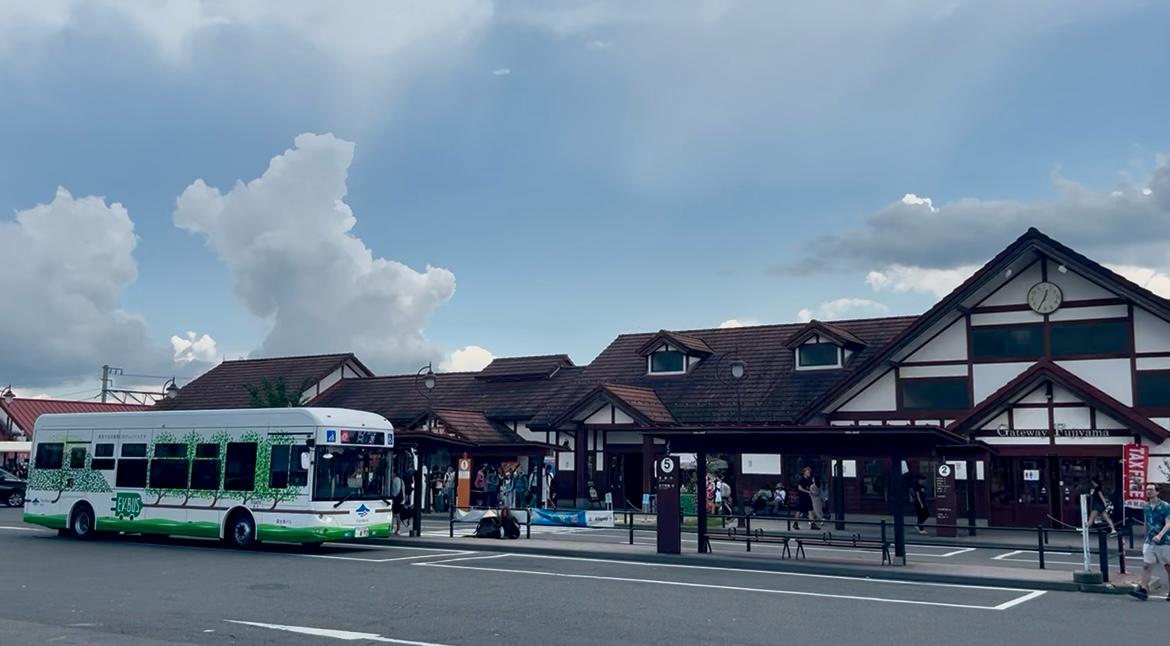
We arrived at the 5th Station around 2:00 PM. This area feels lively and exciting,the atmosphere already felt very different - colder, windier, and more “mountain-like” with many climbers preparing for their ascent. There is a restaurant called Unjo-Kaku , where you can enjoy a warm bowl of ramen, which is very comforting before the climb.
Climbing Registration & Entry Gate
Before starting the climb, we visited the General Administration Information Center to show our climbing tickets.

Here, you receive a purple wristband, which serves as proof that you have paid the entrance fee to climb Mount Fuji. Just past the information center is the gate, and only visitors wearing a wristband are allowed through. There are also security staff checking clothing and gear to ensure everyone is properly prepared.
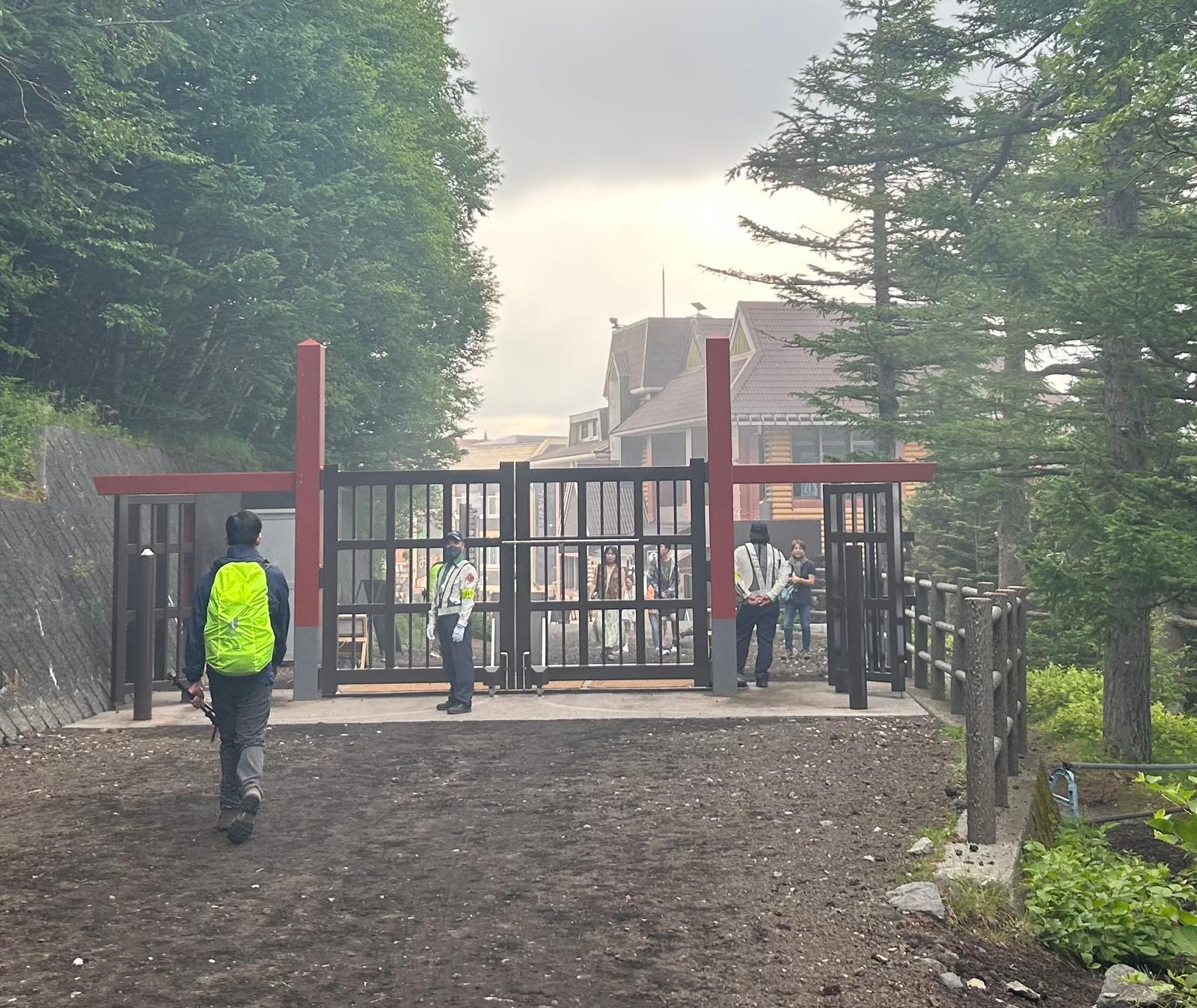
Staying at Sato-goya Hut (5th Station)
We had booked a hut called Sato-Goya, located about a 30-minute walk from the gate, still at the 5th Station.
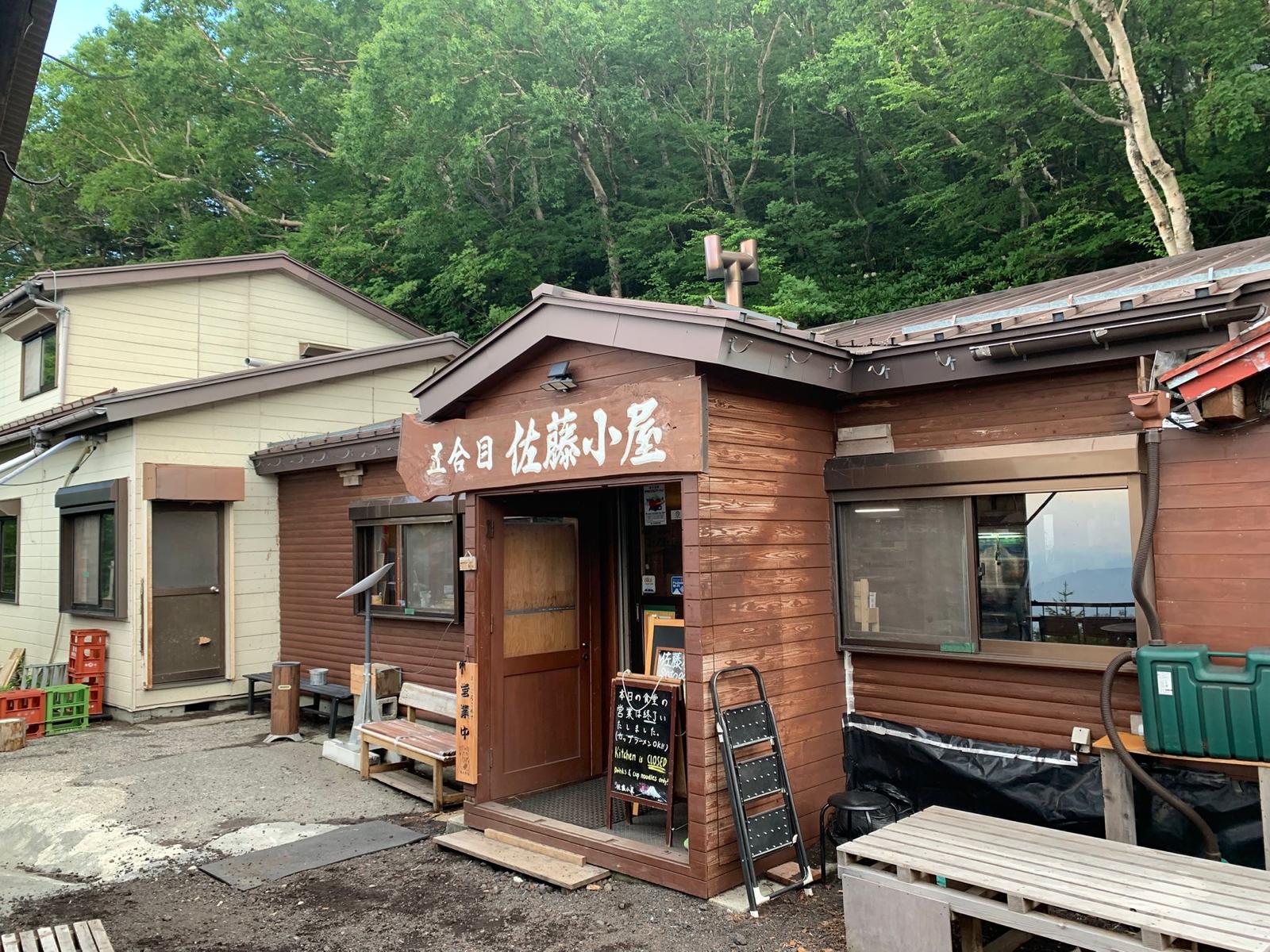
The owner was incredibly kind and welcoming. Dinner was available at the hut, which we gladly joined. After dinner, we took a short nap. There are no mattresses, but you are provided with plenty of blankets and a sleeping bag, which was sufficient for a few hours of rest.
It wasn’t the most comfortable sleep, but it was enough to rest before the night climb.
Starting the Night Climb
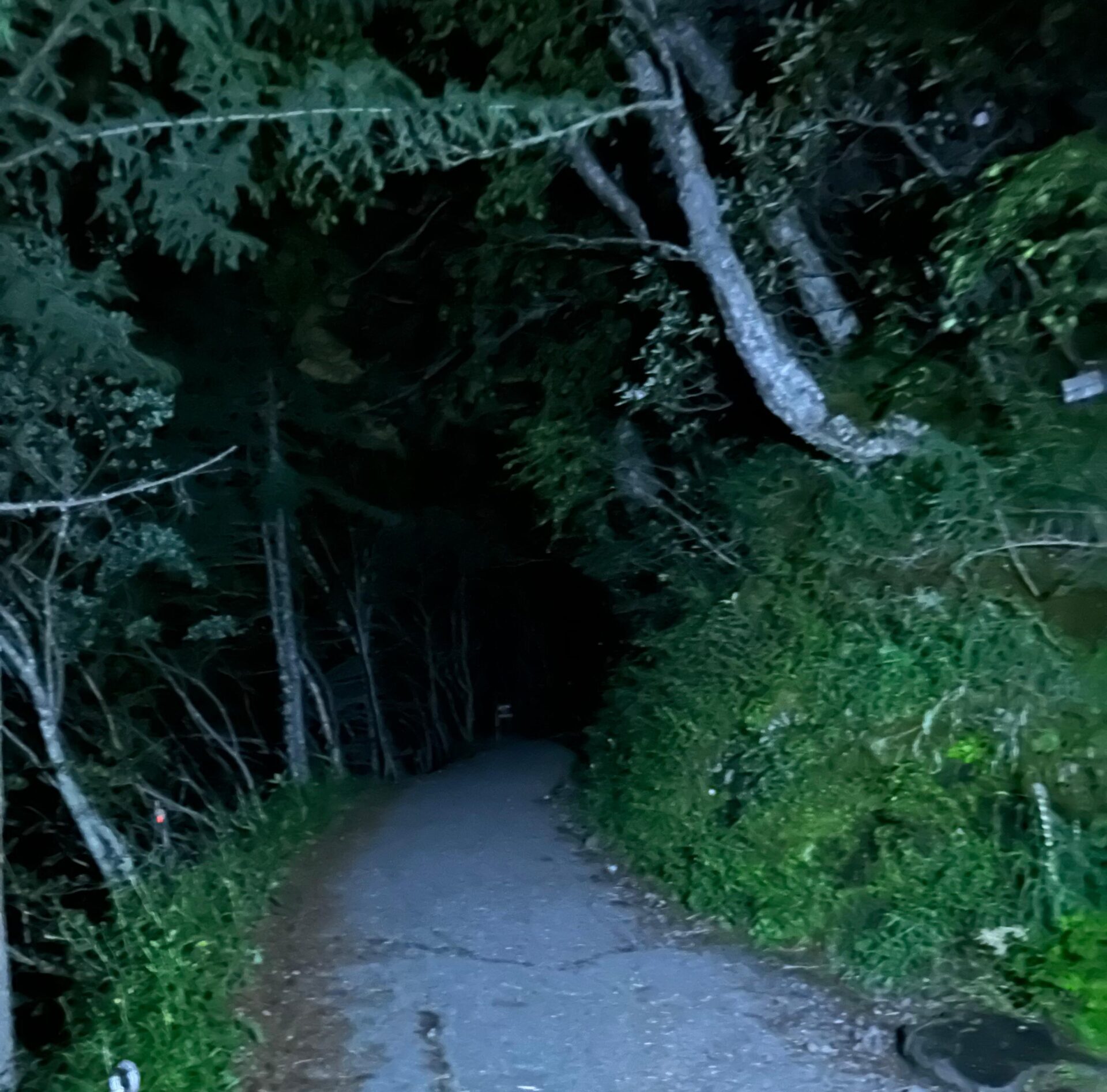
Around 9:00PM, we started climbing again. It was completely dark, and a headlamp was absolutely essential. I strongly recommend bringing a spare headlamp or extra batteries. My main headlamp ran out of battery halfway, and I was very grateful that I had a backup.
Through the Stations: Fatigue Sets In
After about an hour, we reached the 6th station.
Along the route, you’ll find signs showing the remaining distance to the summit.
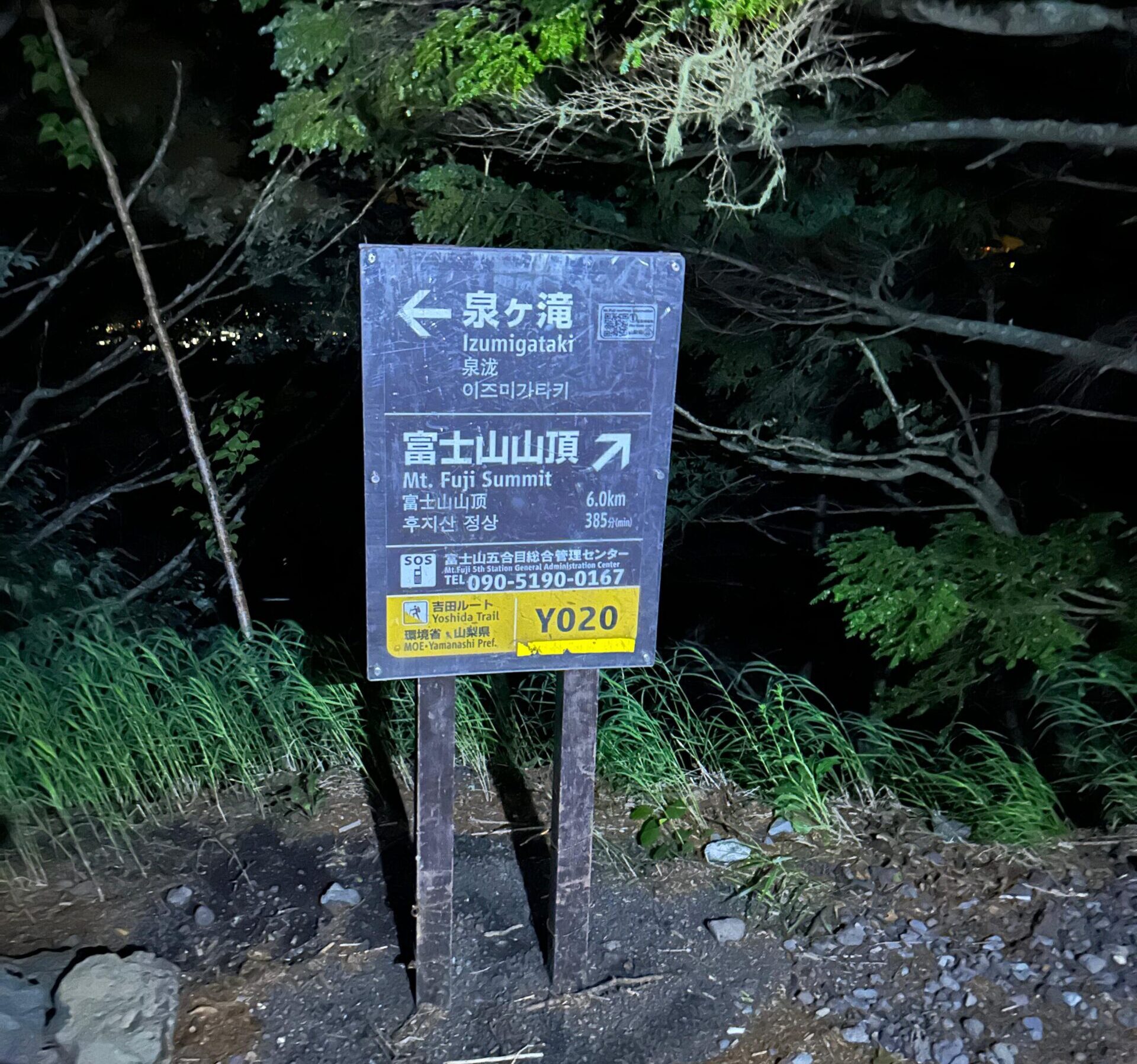
The route isn’t always easy. In some sections, you have to climb over large rocks, and it felt almost like bouldering at times. I brought a hiking pole, which helped me push myself up and maintain balance. I recommend using a foldable hiking pole, so you can easily store it in your backpack when it’s not needed.
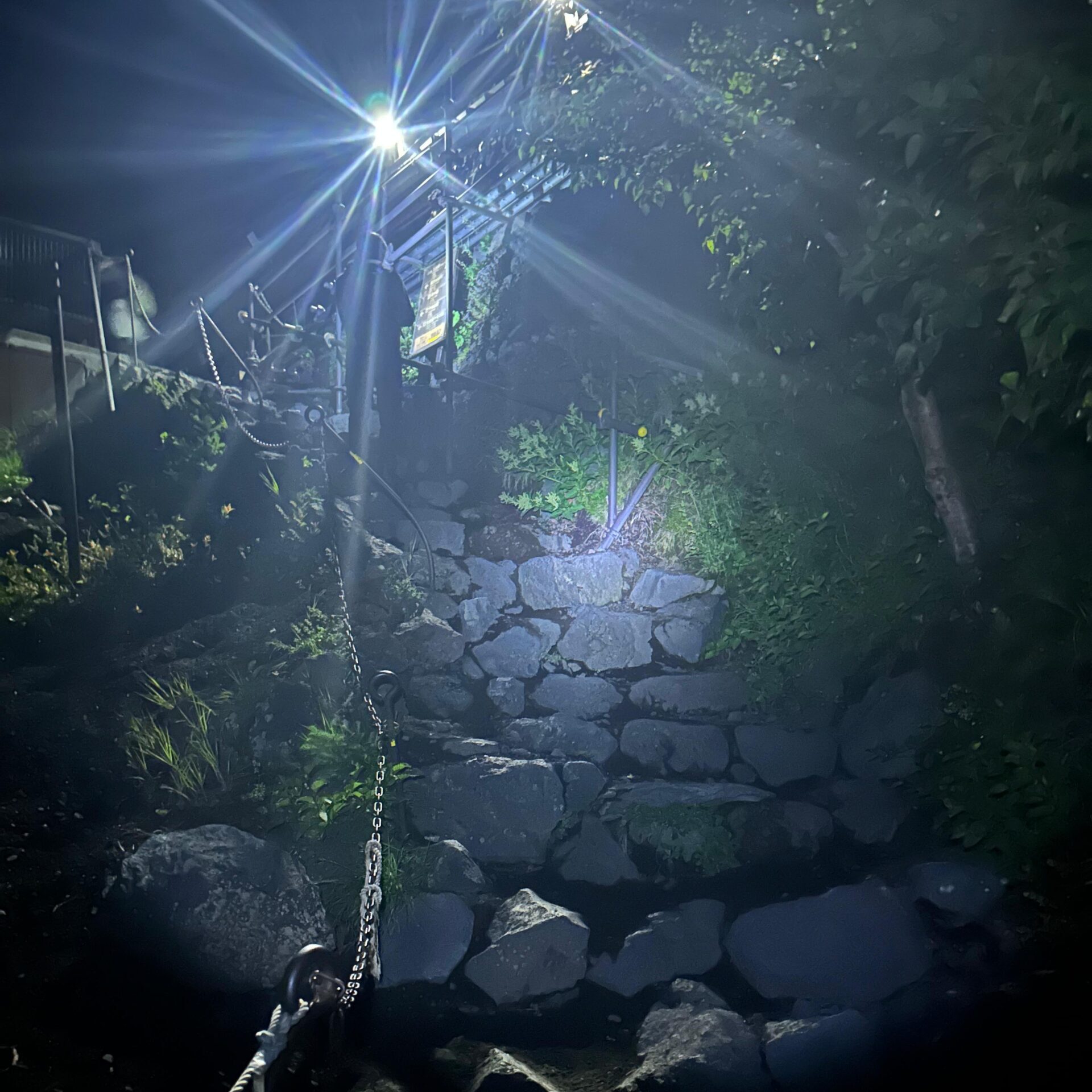
Around 11:00 PM, we arrived at the 7th Station (2700 m) and took a short break. It’s extremely important to drink enough water and snack regularly. Each hut has a toilet that you can use, but water is limited—so bring your own water for washing your hands.
Altitude Sickness at the 8th Station
At midnight, we reached Fujichikan Hut at the 8th Station (2800 m). That’s when I started feeling unwell. Only later did I realize I was experiencing altitude sickness. When dealing with altitude sickness, it’s very important to listen to your body, rest, and allow time to acclimatize.
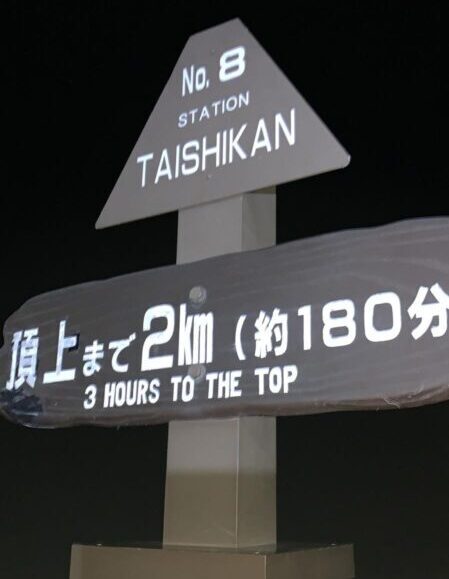
I initially thought we were almost at the top, but a sign clearly showed it would still take about 3 more hours… Mentally, that was very tough.
Reaching the Summit at Sunrise
Despite the exhaustion, don’t forget to look around. As you climb higher, the sky slowly begins to change color, and the sunrise approaches.
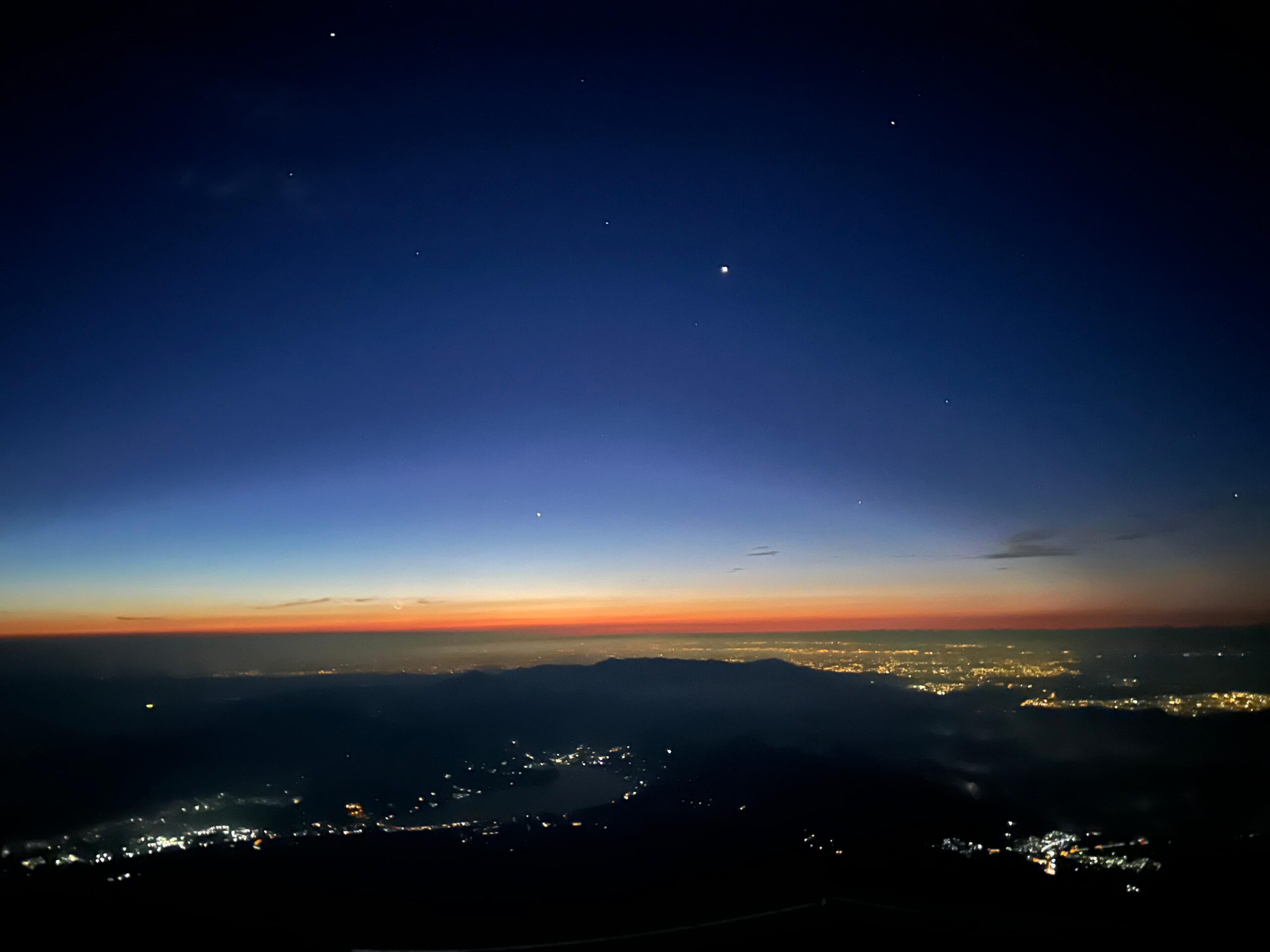
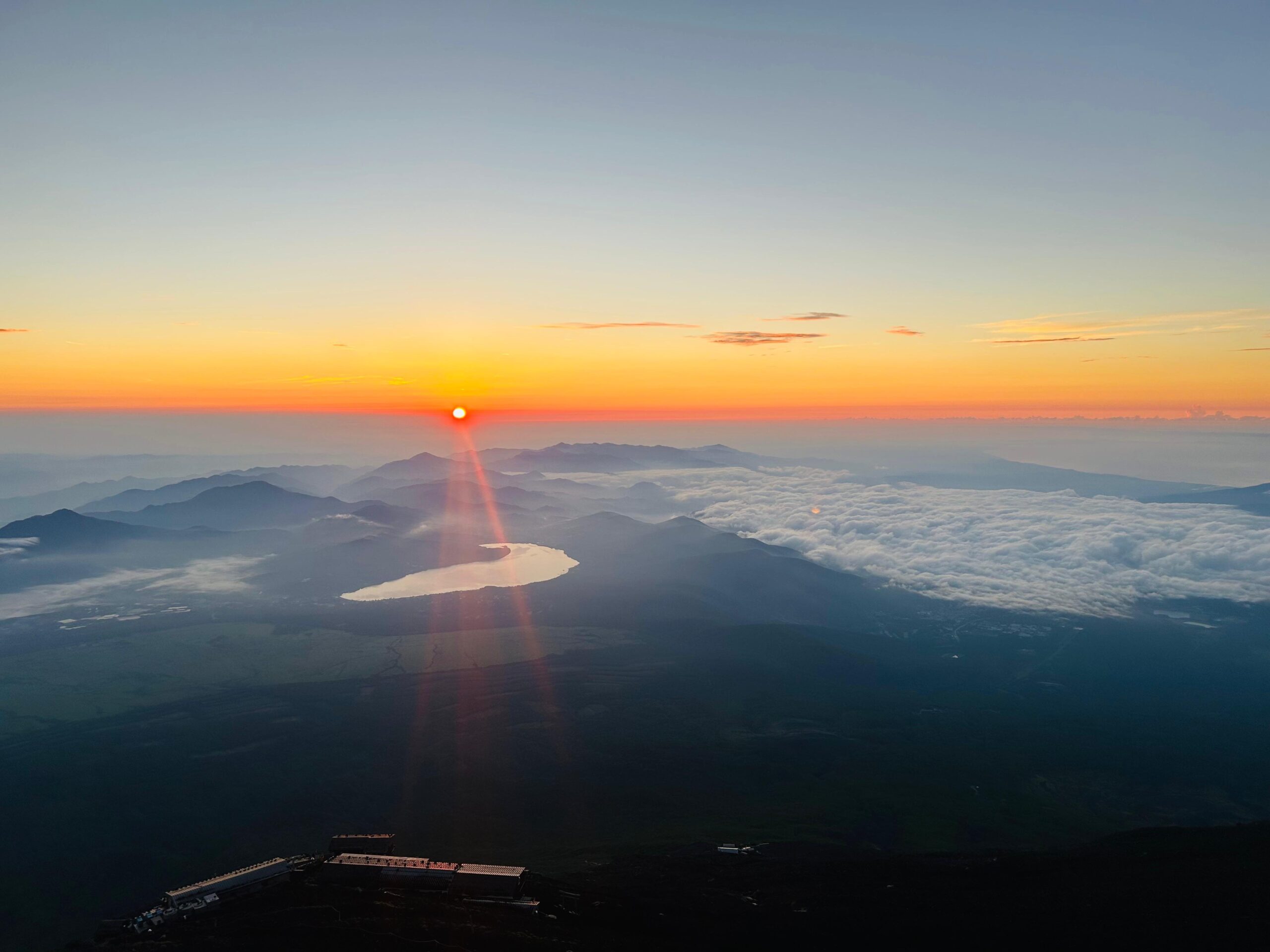
At around 4:00 AM, we finally reached the summit of Mount Fuji! There are even small shops at the top where you can buy souvenirs. The view was absolutely breathtaking.
We were incredibly lucky with clear and dry weather, and watching the sunrise from the highest point in Japan was truly magical. Every step suddenly felt worth it.
The Long and Exhausting Descent
After sunrise, we began our descent. Walking down is less physically demanding, but after the long climb, we were already quite tired. The ground consists of loose sand and gravel, so you need to be very careful—it’s easy to slip or fall. A hiking pole is extremely helpful here as well.
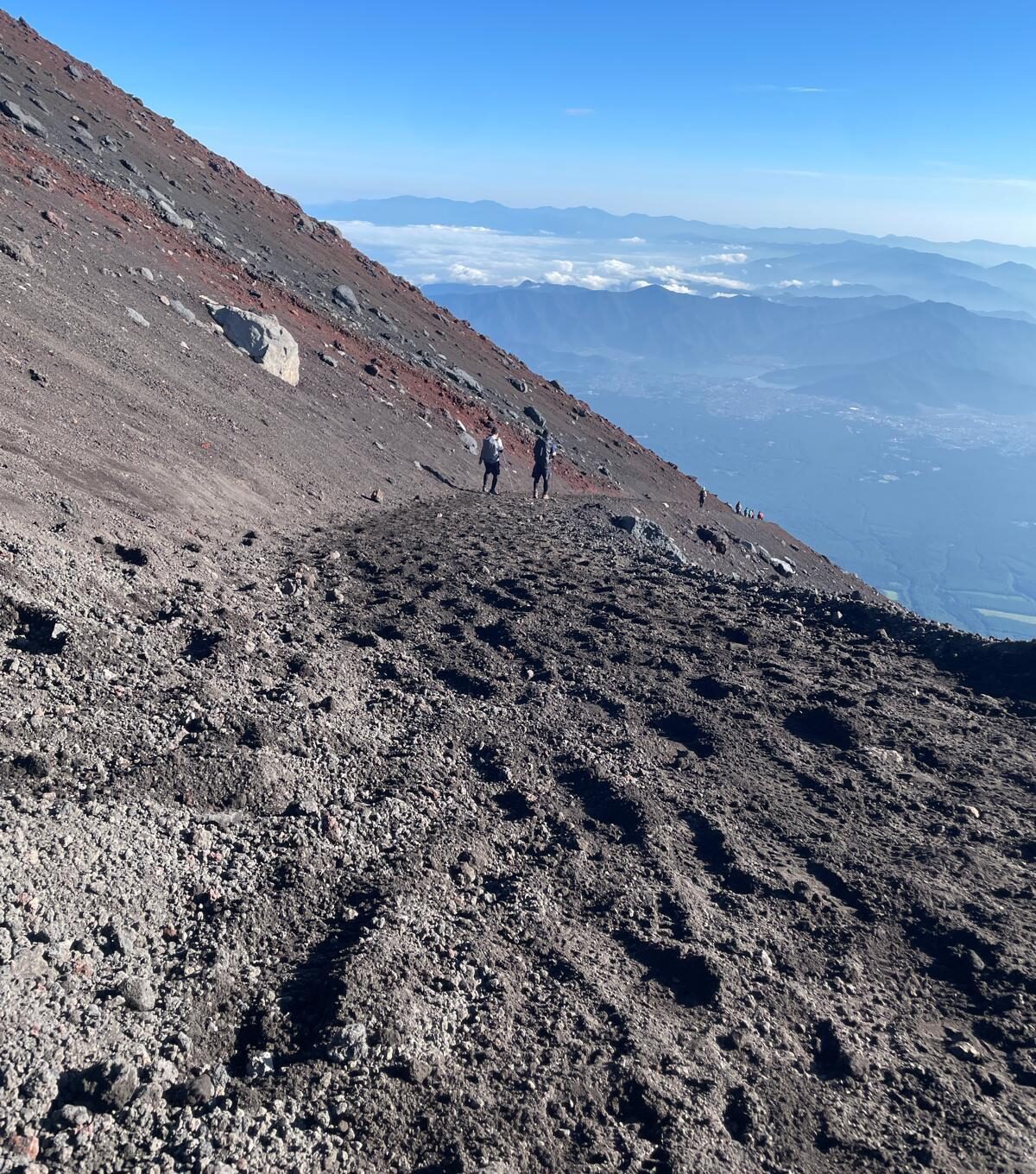
The descent felt endless. At some point, it felt like I had walked 30 loops around the mountain. Toilets are scarce on the way down; you’ll encounter one roughly every 1.5 to 2 hours. After a short break, we continued and eventually reached the information center again after about 4 hours of descending. Here, you can pick up a small wooden commemorative gift as a souvenir of your climb.
Final Thoughts & Advice for Beginners
I am not an experienced climber, and to be completely honest, I found the climb very challenging. Our goal was to reach the summit before sunrise, unfortunately, we were unable to reserve huts at the 7th or 8th stations, so we decided to climb through the night.
For beginners, I would not recommend climbing Mount Fuji in one night. A two-day climb is much more sensible. Ideally, book a hut at the 7th or 8th Station, so you’ve already covered a large part of the climb and can properly rest and acclimatize.
Also, don’t bring too much gear. At some point, my backpack started to feel much heavier, and my shoulders started to hurt as my body grew tired. My boyfriend was kind enough to carry my bag for a while 😊.
There are also more rocky sections than I expected, so be prepared for that.
In terms of clothing, I wore a wind- and waterproof jacket, a sweater, and a thermal base layer. While climbing, I warmed up quickly and took off my sweater. At the summit, however, it became much colder—especially since we stayed there longer to enjoy the view—so having a warm layer was absolutely essential.
All in all, despite how tough it was, I look back on this experience with great joy. The incredible sunrise above the clouds made every step, every ache, and every moment of doubt completely worth it.