Climb Mount Fuji at Night
and Catch the Sunrise from the Summit
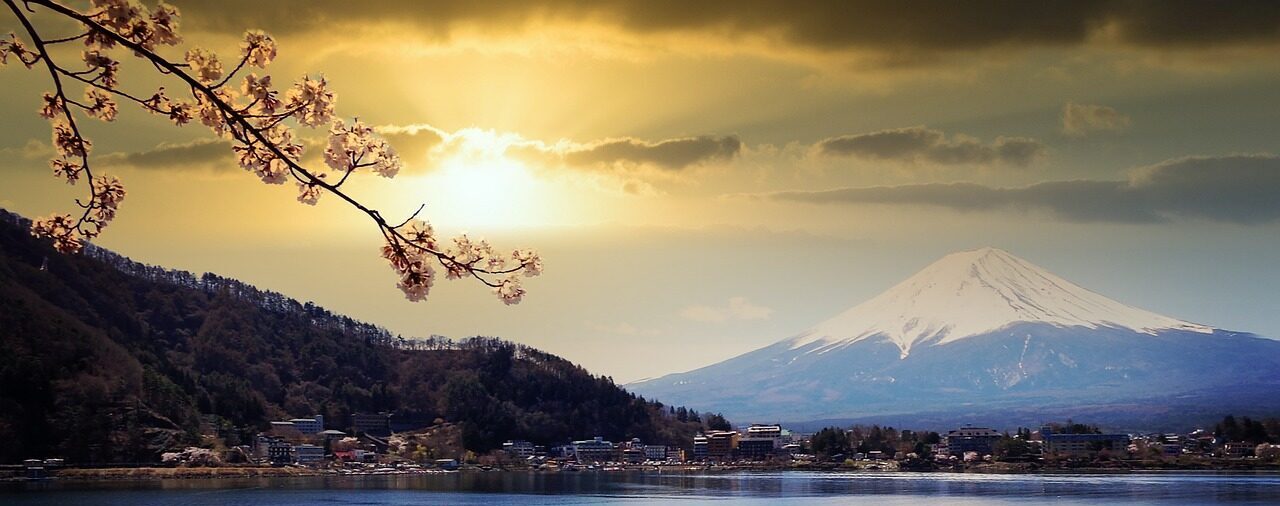
Mount Fuji is the highest mountain in Japan, rising to 3,776 meters above sea level. A night climb on Mount Fuji is one of the most popular ways to experience Japan’s most famous mountain.
This website is built specifically for hikers who are considering climbing Mount Fuji at night and want honest, experience-based advice.The only complete guide to planning a night climb on Fuji — including the 2026 gate rules, how to book a mountain hut, what gear you actually need, and the best timing to reach the summit at dawn.
Important: night climbing rules in 2026
- Reservations for toll access (hiking fee) in 2026 open on Monday, April 27 at 4:13 PM (local time in Japan).
- Trailheads close from 2:00 PM to 3:00 AM. To climb at night and see the sunrise, you must have a mountain hut reservation. Without one, you cannot pass the gate after 2:00 PM. Bullet climbing (no hut stay) is no longer possible.
-
Important for mountain hut guests:
- A hiking fee of ¥4,000 still applies.
- Payment must be made in Japanese yen (can be paid on-site).
- To reserve passage in advance, the ¥4,000 hiking fee must be paid beforehand.
The good news: a proper night climb with a hut stay is safer, more enjoyable, and gives you a much better chance of clear skies at the summit. This guide shows you exactly how to do it right.
Everything You Need to Know Before Climbing Mount Fuji - Step by Step
Climbing Mount Fuji at night is a once-in-a-lifetime adventure you’ll never forget. But reaching the summit safely takes more than courage—it requires careful planning and preparation. From choosing the right trail to packing smart, every detail matters for a successful climb. Whether you’re a first-timer or a seasoned hiker, this guide has everything you need to make your night climb unforgettable. Keep reading to uncover the secrets to conquering Japan’s iconic peak.
How to get to Mount Fuji?
Getting to Mount Fuji can seem tricky, but there are multiple ways to reach the base safely and efficiently. Options include the night bus from Shinjuku, the local bus from Kawaguchiko Station, trains from Tokyo, and highway buses from Osaka or Nagoya. Planning your transport in advance ensures you start your night climb stress-free and on time.
Read more →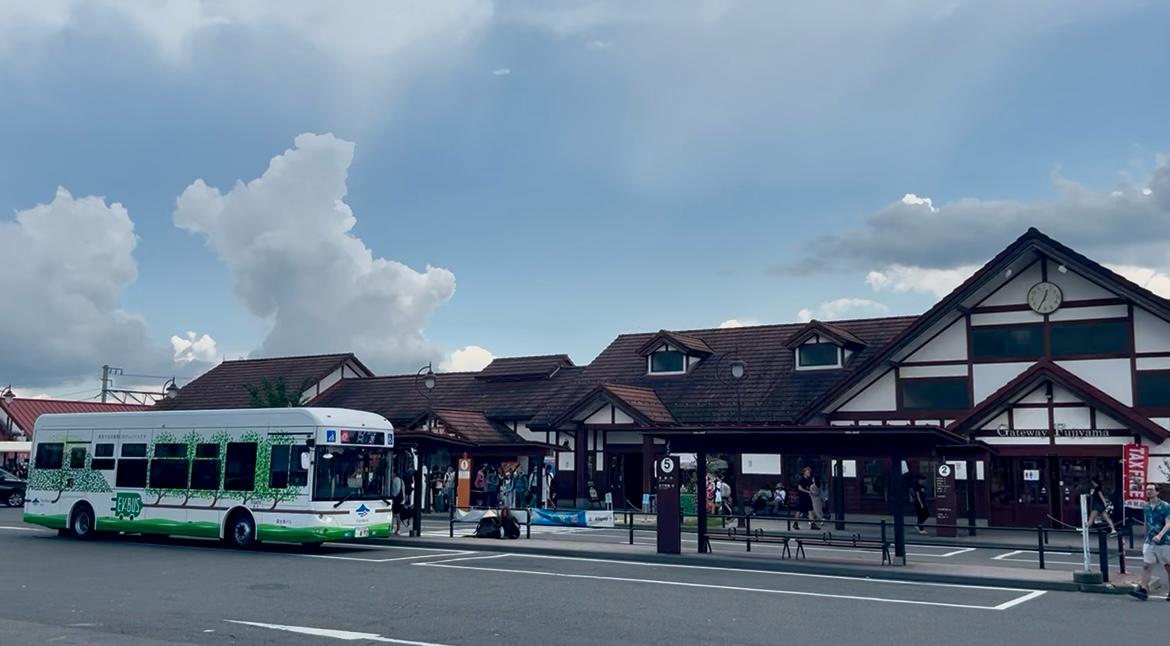
Best trail for first-time climbers?
Not all trails are created equal, especially for first-time night climbers. Some paths are beginner-friendly with clear markers and rest stops, while others are more challenging but offer breathtaking views. We've ranked the best trails for newcomers, including difficulty, length, and facilities along the way.
Find your trail →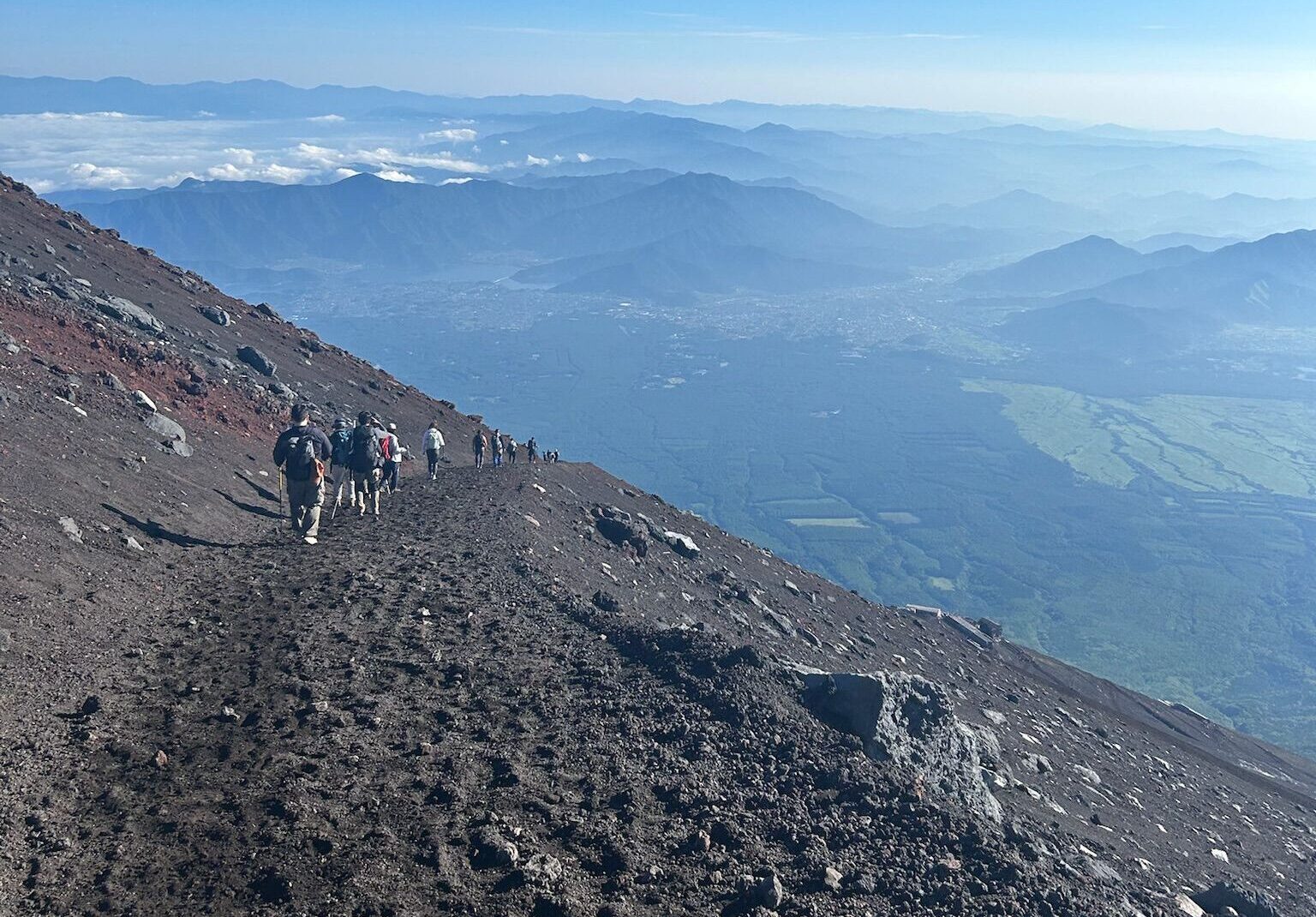
Mount Fuji packing list for night climb
Packing smart can make or break your night climb. Essentials include layered clothing, sturdy hiking boots, a reliable headlamp, water, and snacks. Extra gear like trekking poles and gloves can make the journey far more comfortable. Get advice on gear, safety and weather.
See packing list →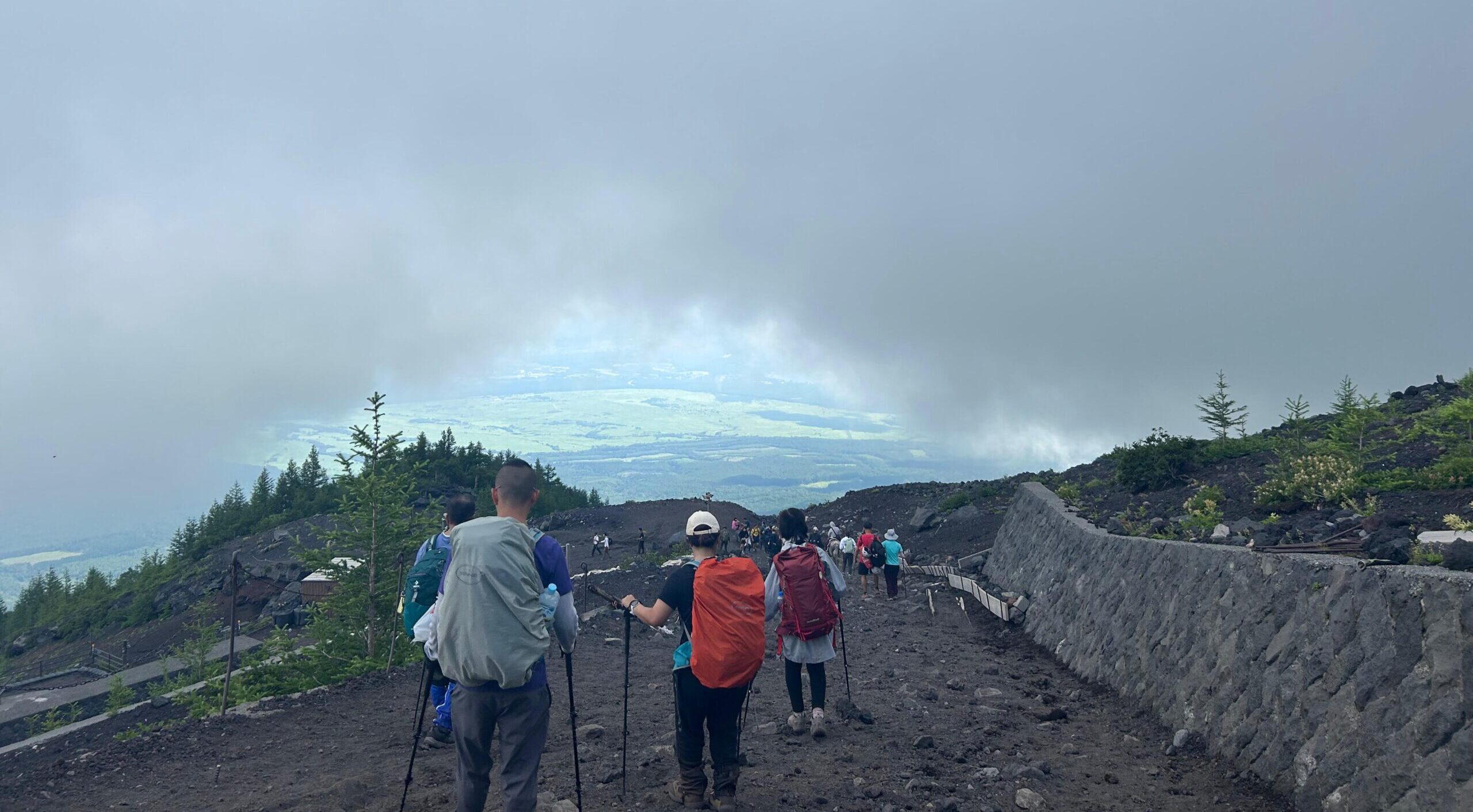
Where to stay during night climb
Many climbers choose to rest in mountain huts or lodges along the trail before starting the ascent. Staying overnight helps you acclimate and begin the final push to the summit fully energized. Availability can be limited during peak season, so booking ahead is essential.
Find your stay →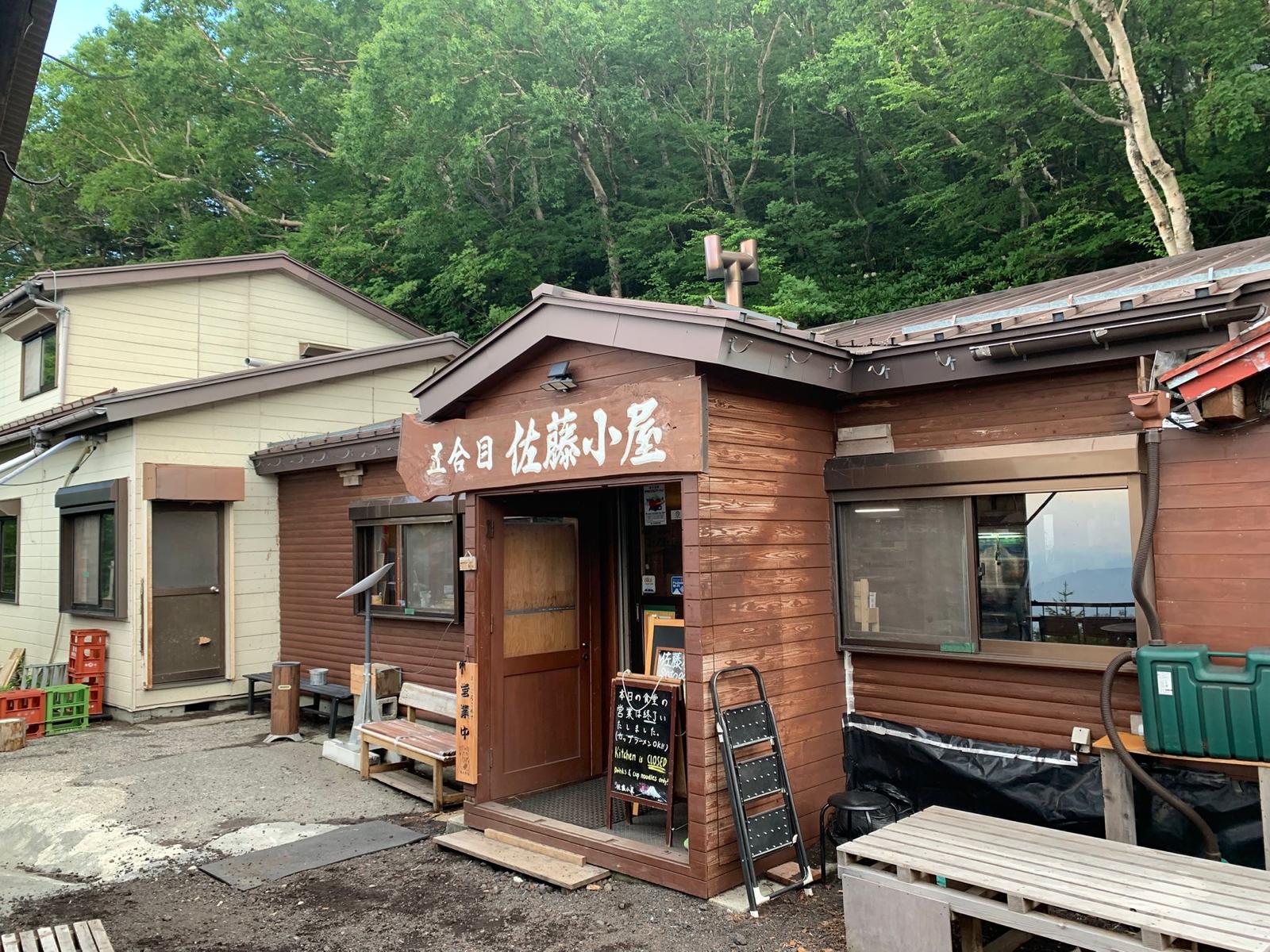
How much does it cost to climb Mount Fuji?
Climbing Mount Fuji can be surprisingly affordable — or more expensive, depending on your choices. Free trails exist, but mountain huts and transport can add up quickly. Planning your budget ahead ensures there are no surprises on your adventure.
See full cost breakdown →
My First Night Climb of Mount Fuji: A Beginner's Journey
Last year, I decided to take on Mount Fuji for the very first time — and I chose to do it at night. Every step was a test of endurance, but the anticipation of reaching the summit kept me going. Around 5 AM, after hours of climbing under the stars, I finally stood at the top. The sunrise that followed was nothing short of magical. In my blog I share every detail of this unforgettable journey, including tips that helped me survive and enjoy the climb as a first-timer.
Read my full story →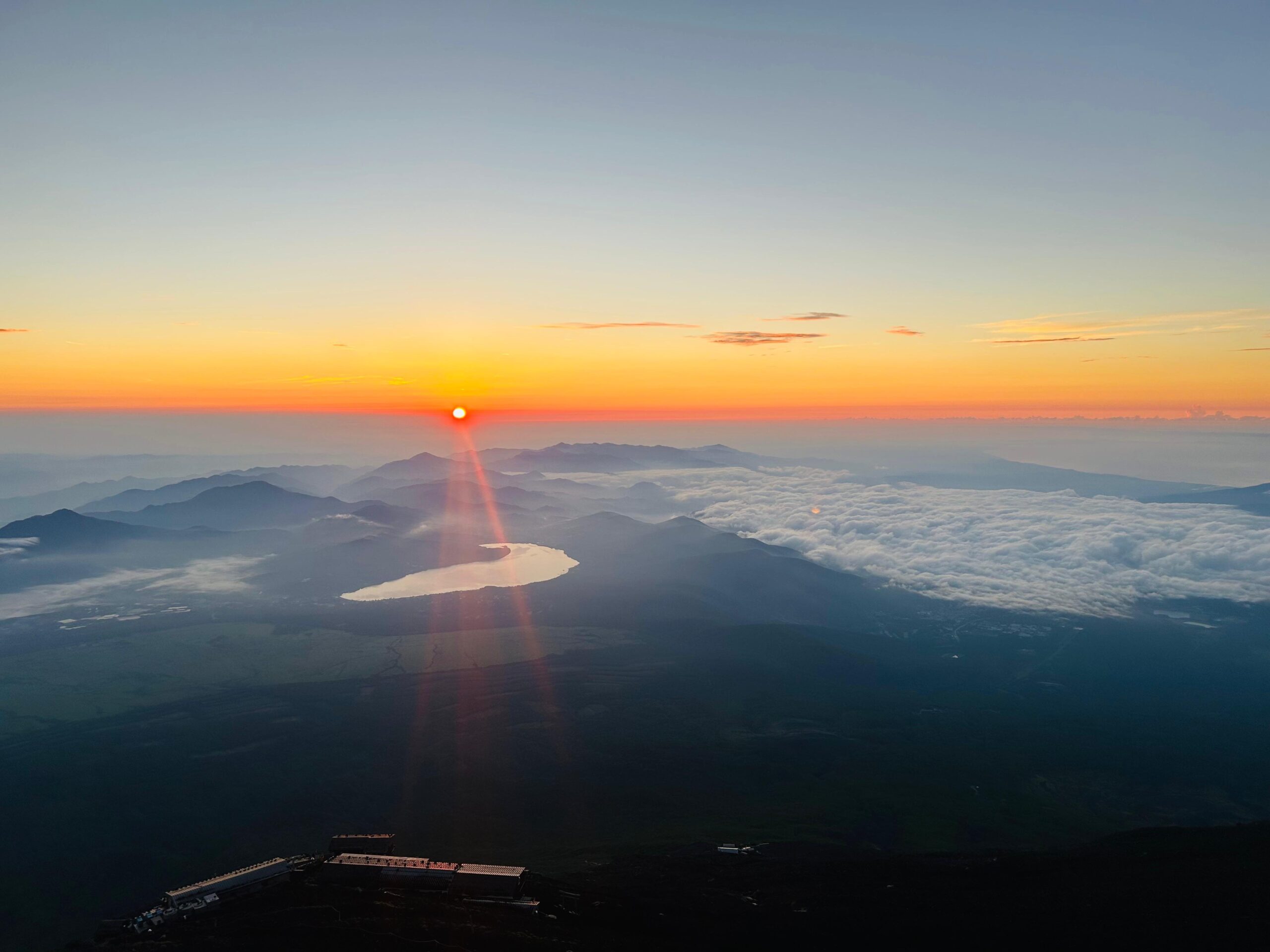
Frequently asked questions
Is Mount Fuji open all year round?
Mount Fuji is accessible year-round, but climbing to the summit is officially open only from July to September.
Can I still do a night climb without a hut reservation?
No. Since 2024, trailhead gates close from 2:00 PM to 3:00 AM. You can only pass during restricted hours with a confirmed mountain hut reservation. Bullet climbing — an all-night ascent without sleeping — is no longer officially possible.
Which route is best for beginners?
The Yoshida Trail is the most beginner-friendly and the best choice for night climbers. It has the most mountain huts, the clearest path, and faces east — so you see the sunrise directly from the summit.
Do you need a guide to climb Mount Fuji?
No, most climbers explore Mount Fuji independently. Guides are optional and mainly useful for inexperienced climbers or those unfamiliar with the trails.
How long does it take to climb Mount Fuji?
Depending on the route and pace, climbing takes between 5 and 10 hours, plus 3–4 hours to descend. A night climb with a hut stay typically spreads over two days.
Is altitude sickness a risk on a night climb?
Yes — especially if you ascend quickly. The best protection is spending a night at a hut around the 7th or 8th station (2,700–3,100 m). Climb slowly, drink at least 2 litres of water, and don't rush the final push to the summit.
Can you see Mount Fuji on a day trip from Tokyo?
Yes, Mount Fuji is a popular day trip from Tokyo, especially for visiting lakes, viewpoints and the 5th Station. Climbing to the summit requires at least one overnight stay.
What should I wear for a night climb?
Weather changes quickly and summit temperatures can drop below 0°C even in July. Pack layered clothing, a waterproof outer layer, gloves, and a warm hat. Sturdy hiking boots are essential on loose volcanic rock.
Are there restaurants or shops on Mount Fuji?
There are small shops and mountain huts along the official routes during climbing season, mainly near the higher stations. Prices are significantly higher than at the base — buy supplies before you go.
Are there entrance fees to Mount Fuji?
Yes, there is a mandatory entrance fee of ¥4,000 per person. Climbers are required to register in advance through the official online system. The system is typically available from April each year.
Is Mount Fuji crowded?
During peak climbing season (late July–August) and weekends, popular routes can be very busy. Starting mid-week or arriving at the trailhead early reduces crowds significantly.